
Why Classic Automobiles Are the Ultimate Photography Prop
Why Classic Automobiles Are the Ultimate Photography Prop
From '64 1/2 Mustangs to '66 Corvettes: How Vintage Cars Transform Your Photoshoots

There's something undeniably magical about pairing a photographer's subject with a classic automobile. Whether you're shooting a fashion editorial, a portrait session, or lifestyle content, vintage cars bring an element of timeless sophistication that modern backdrops simply can't replicate. At PhotoWhips, we've witnessed countless shoots where a 1964 1/2 Mustang or a 1966 Corvette didn't just complement the model—they became co-stars of the story.
Here's why classic cars should be your next go-to prop, and how to make the most of them.

1. Instant Character & Narrative
Classic automobiles carry decades of history in every curve and chrome detail. When you pose your model beside a vintage vehicle, you're not just taking a photo—you're creating a scene with built-in storytelling. The sleek lines of a '66 Corvette evoke the optimism of the 1960s, while the raw power aesthetic of a first-generation Mustang suggests rebellion and freedom.
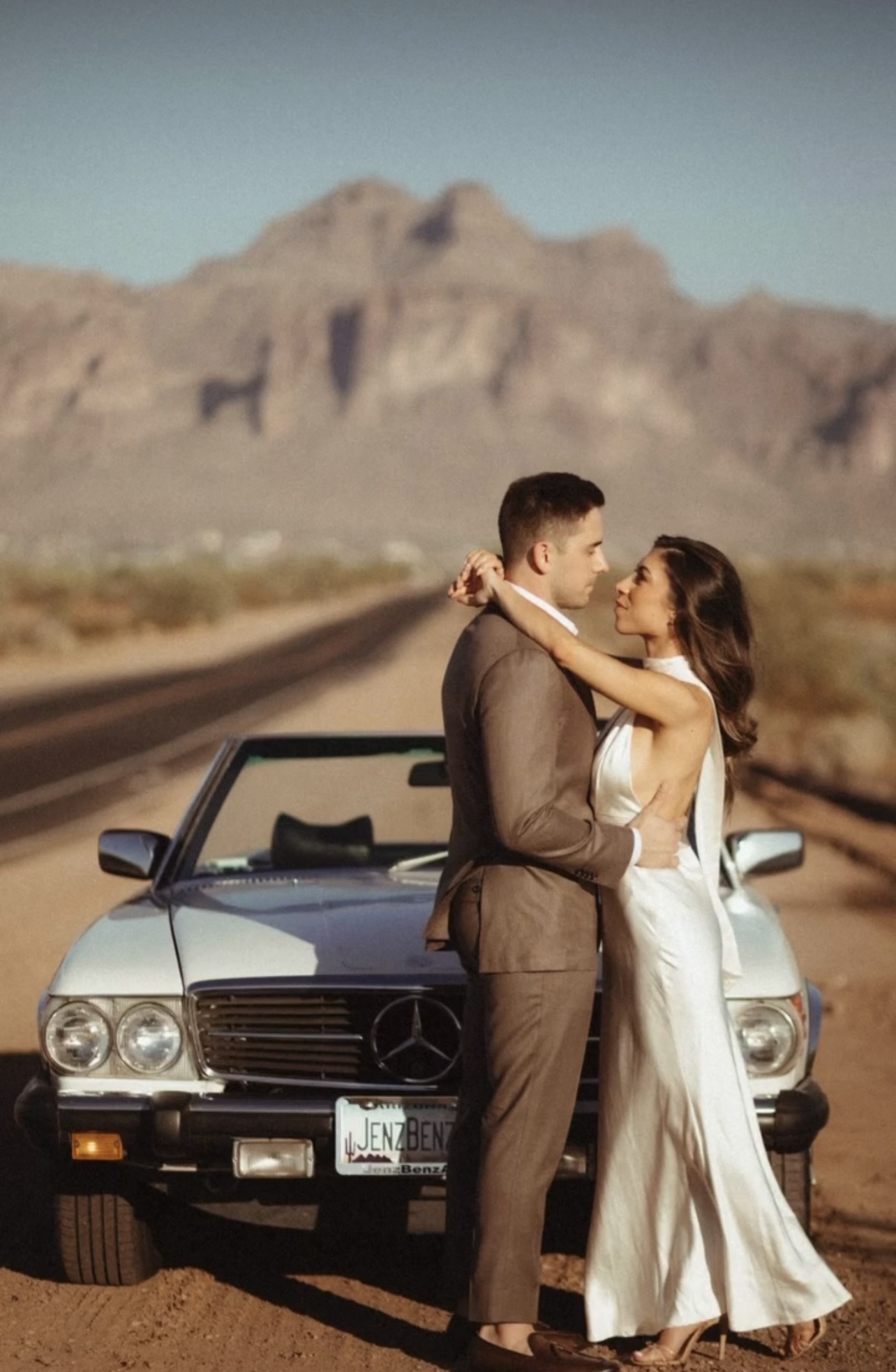
Pro Tip: Match your model's styling to the era of the car for cohesive visual storytelling. A 1950s dress pairs beautifully with a finned Cadillac, while modern minimalist fashion creates striking contrast against vintage machinery.

2. Dynamic Composition Opportunities
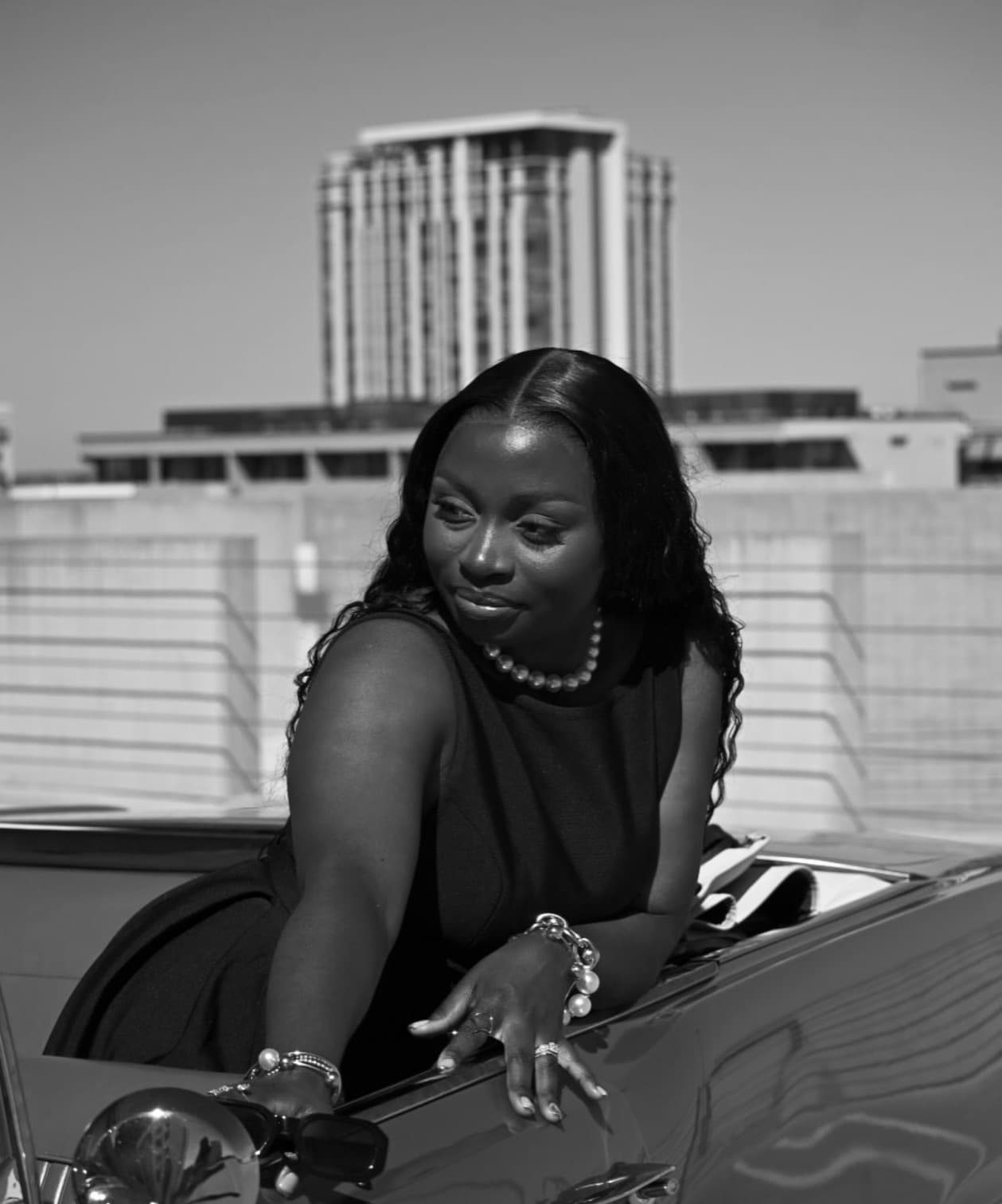
Cars are sculptural objects that offer endless compositional possibilities. Use the vehicle's lines to create leading lines in your frame, or position your model through the window for a framed-within-a-frame effect . The reflective surfaces of polished paint and chrome can add depth and dimension—just be mindful of what those mirrors are showing .
Angles that Work:
• Low angles: Shoot from ground level to make both car and model appear more commanding and dramatic
• Through the windshield: Capture your subject in the driver's seat for intimate, cinematic vibes
• Detail shots: Focus on hands on the steering wheel, feet on the running board, or reflections in the chrome 

3. Lighting Made Easier (and More Interesting)
Classic cars respond beautifully to the same lighting that flatters human subjects. The golden hour—that magical window just after sunrise or before sunset—creates warm, soft light that makes both paint and skin glow .
PhotoWhips Community Insight: Our photographers love using open shade for detail shots. Position the car near a solid-tone building in shadow for even, flattering light under the hood and on interior shots .
For night shoots, classic cars are perfect subjects for light painting techniques. Using a handheld LED light during long exposures, you can "paint" the vehicle with warm white light, creating glowing headlights and dramatic highlights that look impossibly cinematic .

4. Color Theory on Wheels
Vintage cars often come in bold, saturated colors that can anchor your entire color palette. A cherry red Mustang creates a completely different mood than a powder blue Thunderbird or a jet-black Corvette. Use these colors to inform your model's wardrobe, your location choice, and your post-processing style.

5. The PhotoWhips Advantage
Here's the truth: you don't have to figure this out alone. The PhotoWhips community has seen it all—from impromptu roadside shoots with borrowed classics to fully produced studio sessions with rare collectibles. Our photographers have battled reflections, managed harsh midday sun, and discovered the perfect angles for every body style.
Need inspiration? Browse the galleries at photowhips.com to see how our community members have integrated classic automobiles into their work. From gritty urban settings with muscle cars to pastoral scenes with convertibles, you'll find ideas to spark your next creative session.

Quick Tips for Your First Classic Car Shoot
1. Clean the car – The most important prep step. Water spots and dust will show up in every shot 
2. Scout for reflections – Check windows, bumpers, and paint for unwanted distractions 
3. Use a polarizing filter – Essential for controlling glare and making colors pop 
4. Mix wide and tight shots – Capture the full scene, then focus on details like hood ornaments, gauges, and stitching 
5. Don't forget the interior – The cabin of a classic car is a world of textures and details waiting to be photographed 

Final Thoughts
Whether it's a 1964 1/2 Mustang representing the birth of the pony car era or a 1966 Corvette showcasing mid-century American sports car excellence, classic automobiles bring undeniable energy to photography. They bridge generations, evoke emotion, and provide a visual anchor that elevates any subject standing beside them.
At PhotoWhips, we believe the best shots happen when photographers push their creative boundaries. So find that vintage beauty, position your model, and create something timeless. And remember—when you need inspiration, techniques, or just want to share your latest automotive masterpiece, photowhips.com is where the community gathers.
Happy shooting, PhotoWhippers.

Have you shot with a classic car recently? Share your experience in the comments in the Ohotowhips Instagram or TikTok, don’t forget to tag us in your shots!